
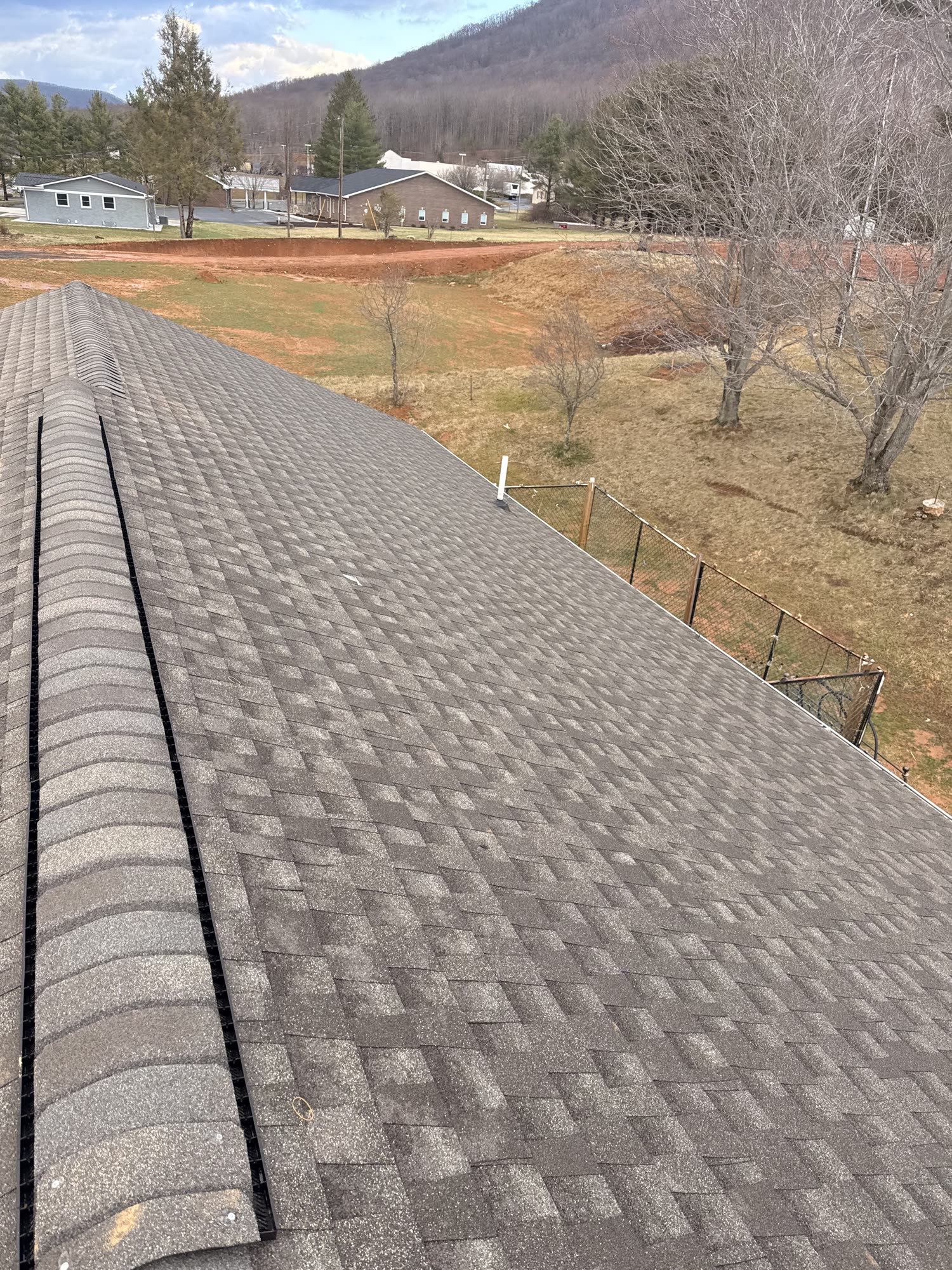
Ice Dams and Snow Load: Getting Your Roof Ready for a High Country Winter
Mountain winters are hard on roofs. Here is what causes ice dams, how snow weight affects a structure, and what to check before the first big storm.
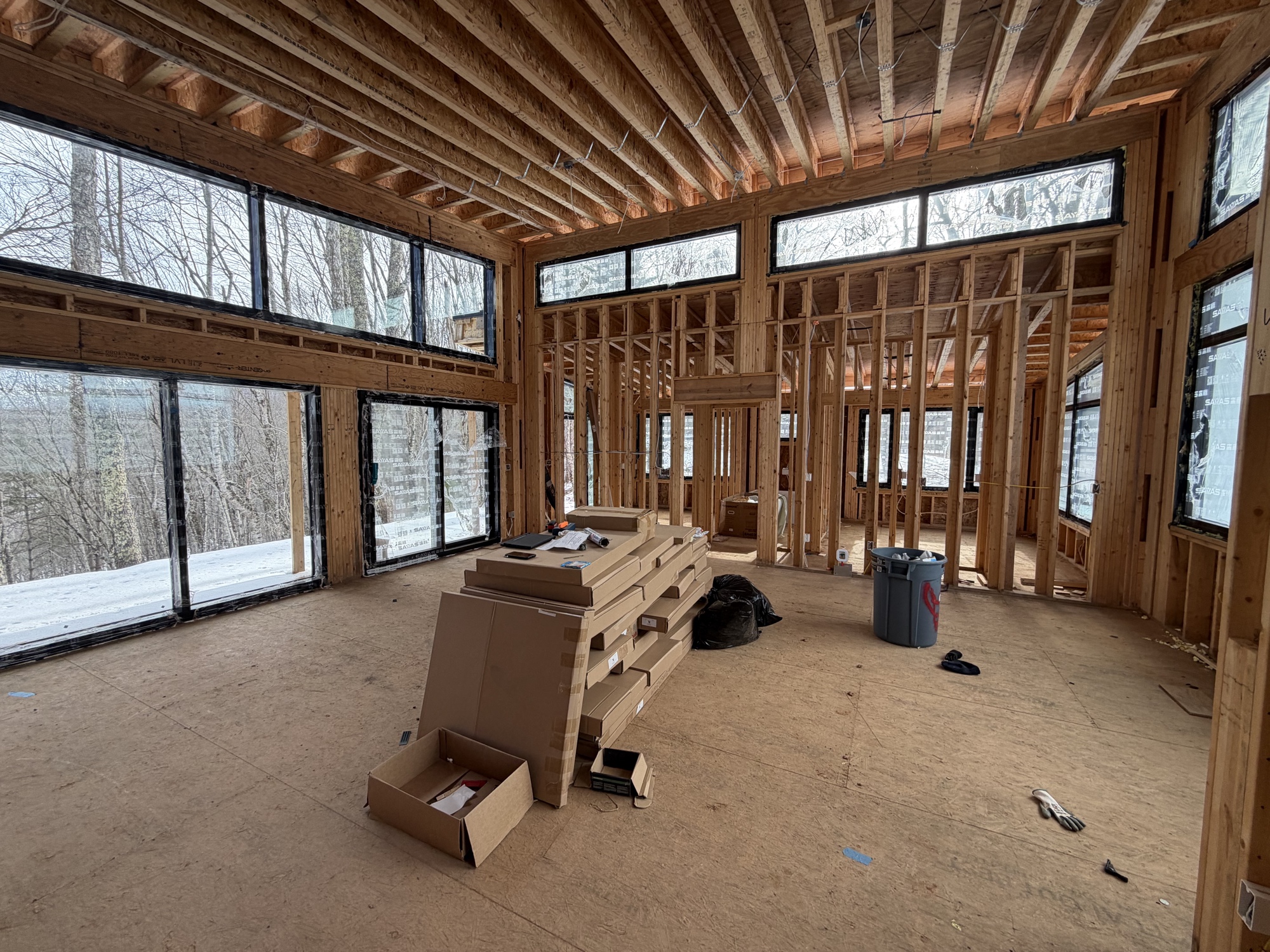
Most Winter Roof Problems Start Before the Snow
Ice dams, leaks, and overloaded roofs are easier to prevent in the fall than to fix in January. A short walk-around and an attic check can catch most of the early warning signs, and the work involved is often small compared with the cost of water damage inside the house.
What an ice dam is and why it forms
An ice dam is a ridge of ice that builds up at the lower edge of a roof. It usually starts when warm air from the living space leaks into the attic and warms the roof deck, melting the snow above. The meltwater runs down to the colder eave, where it refreezes. As the ridge grows, new meltwater backs up behind it and can work its way under shingles, then into the attic, ceilings, and walls. In the mountains, where temperatures swing above and below freezing and snow can sit for days, the conditions for this cycle are common.
Look at the attic first
Because the root cause is usually heat loss, the attic deserves the first look. Check for gaps around recessed lights, chimneys, plumbing and wiring penetrations, and the attic hatch. Look at whether insulation is thin, compressed, or missing in places, and whether soffit and ridge vents are open and unblocked. Frost on the underside of the roof deck, damp insulation, or stained rafters are signs that warm, moist air is getting where it should not. Sealing air leaks and improving insulation and ventilation can often do more to prevent ice dams than any work on the roof itself.
Inspect the roof and drainage
From the ground or a safe vantage point, look for missing, cracked, or curling shingles, exposed nail heads, and damaged flashing around chimneys, vents, and valleys. Check that gutters and downspouts are clear, since blocked gutters can hold meltwater and freeze into larger ice buildup. Our gutter and downspout guide explains how to keep roof runoff moving away from the foundation. If your roof is older or you see widespread wear, consider a professional evaluation before winter arrives.
Understand snow load
Snow is heavy, and wet or packed snow is much heavier than light powder. Roof structures are designed for expected snow loads, which vary by location and elevation, but older buildings, additions, steel buildings, and outbuildings may not all be equal. Warning signs of a stressed structure include a sagging roofline, new cracks in drywall or plaster, doors and windows that suddenly stick, and creaking or popping sounds under heavy snow. If you notice these, have the building evaluated promptly. If you are planning a new garage, addition, or steel building, ask about snow load requirements at the design stage, and check with your local building department. Our guides on detached garages and steel buildings and home addition planning cover other points to consider.
Safety and when to call a professional
Working on a roof in winter is dangerous. Avoid climbing onto snowy or icy roofs, do not chip at ice with sharp tools, and stay clear of areas below roof edges where snow and ice can slide. If you have an active leak, sagging, or ice buildup you are worried about, a qualified professional is the safer choice. Riverfront Group is a licensed general contractor serving Ashe, Alleghany, Avery, Watauga, and Wilkes counties, and we can help you sort out whether the fix is roofing, attic work, drainage, or structural.
Worried about your roof going into winter?
Call Adam to talk through what you are seeing and the right place to start.