
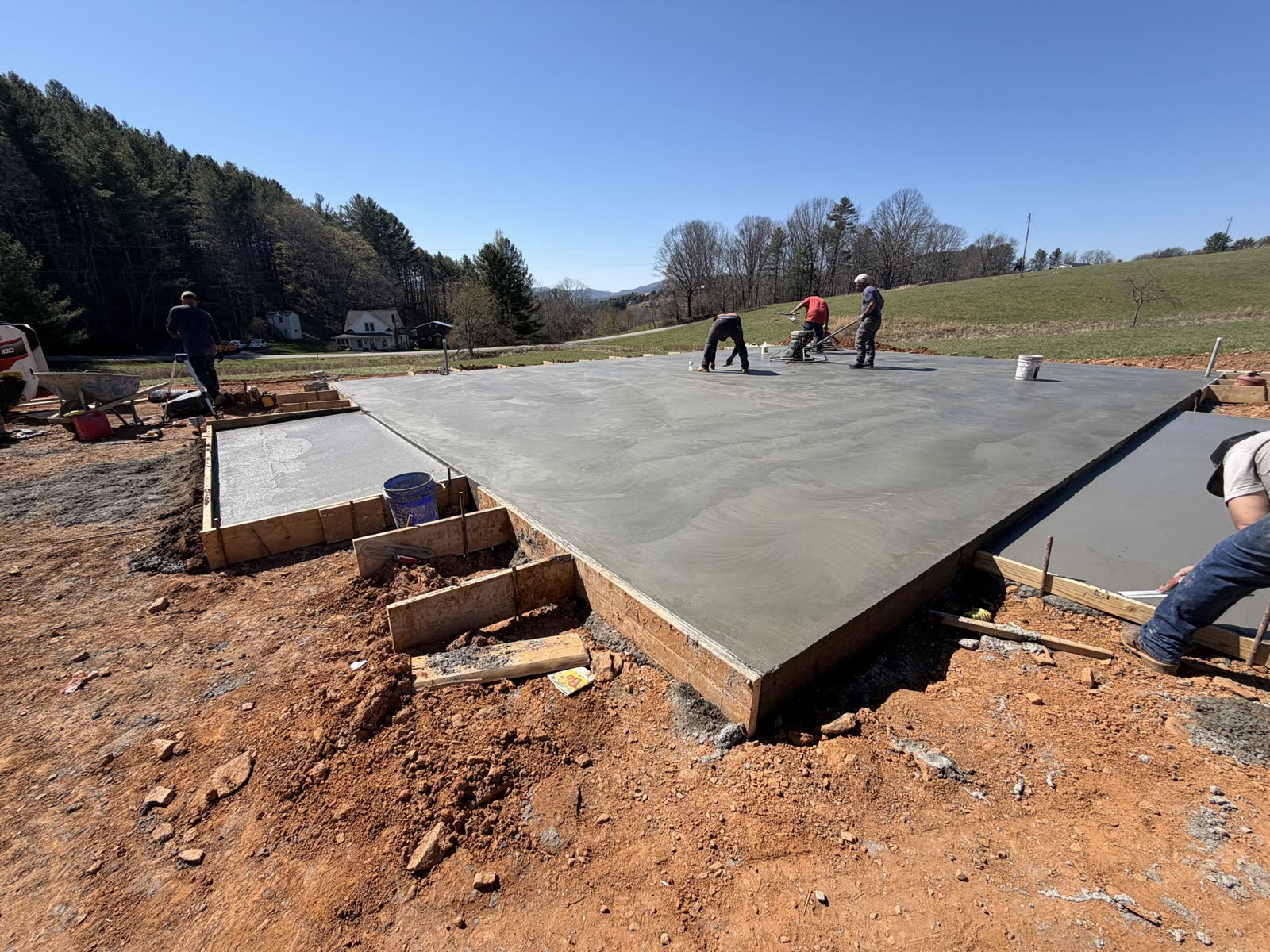
Pouring Concrete in Cold Weather: What High Country Homeowners Should Know
Freezing temperatures can weaken fresh concrete for good. Here is what changes in cold weather, and what to ask before a winter pour.
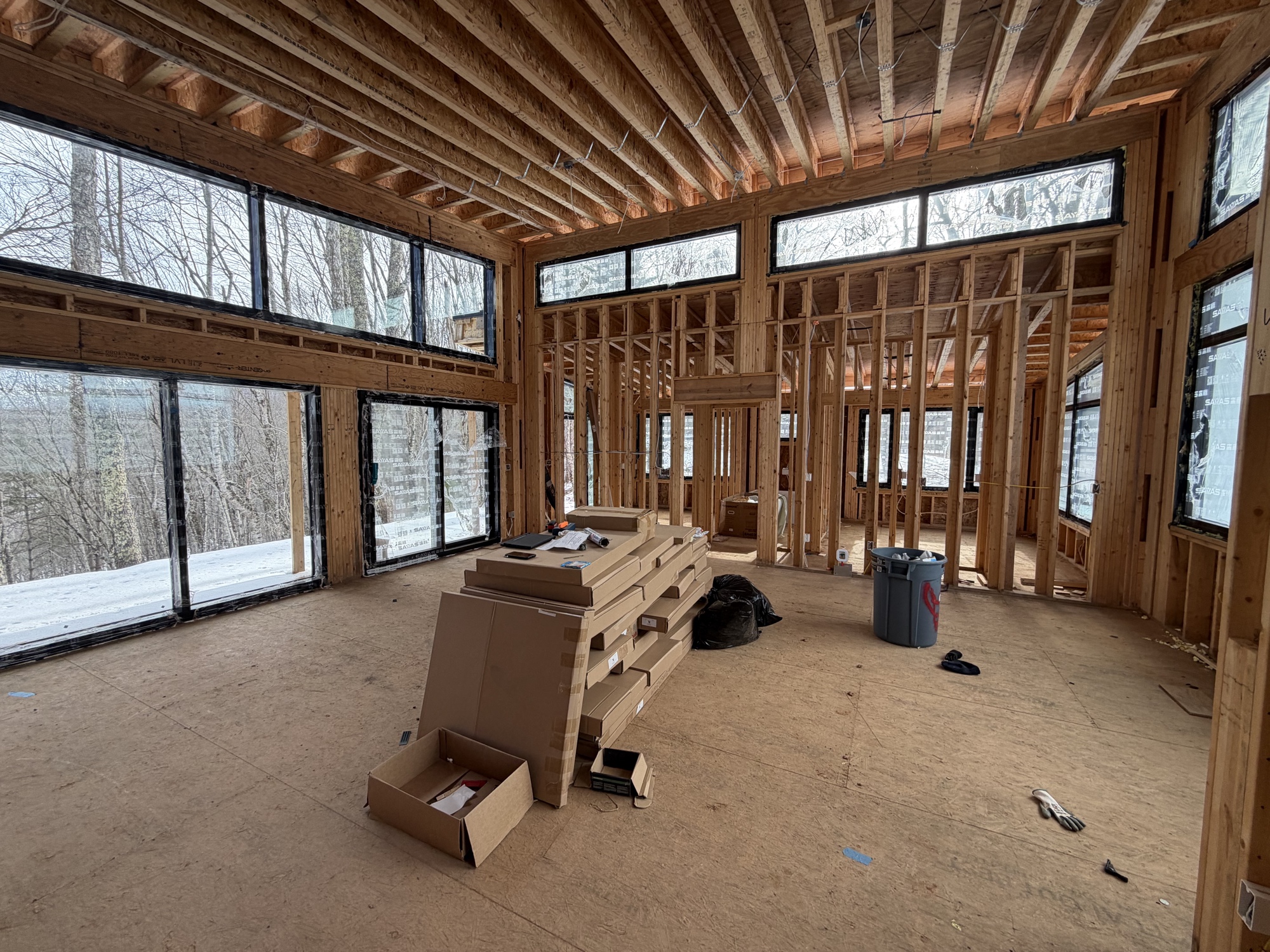
Concrete Needs to Stay Warm While It Cures
Concrete gains strength through a chemical reaction that needs water and reasonable warmth. In cold weather the reaction slows, and if the water in fresh concrete freezes before the concrete has gained enough strength, the damage can be permanent. That is why timing and protection matter so much for footings, slabs, and driveways poured late in the year in the High Country.
What cold weather does to fresh concrete
Cold slows setting and strength gain, which means finishing, saw cutting, and form removal may need to wait longer than they would in summer. The bigger risk is freezing early in the curing process, which can leave a weak, scaly surface and reduce durability. Concrete that is exposed to repeated freeze-thaw cycles after it has been placed also needs enough strength, and often air entrainment in the mix, to resist surface damage. Industry guidance generally treats conditions as cold weather when air temperatures are expected to fall to roughly the 40 degrees Fahrenheit range or below, though the exact limits depend on the mix and the project.
Prepare the ground first
Concrete should be placed on firm, thawed ground that is free of snow, ice, and standing water. Frozen subgrade can thaw unevenly and settle, which may crack the slab later. Good drainage, a stable base, and properly built forms all matter just as much in winter as in summer. Our concrete slab and foundation guide explains the base preparation and reinforcement that go into a durable slab.
How contractors protect winter pours
A contractor planning a cold-weather pour has several tools. They can adjust the mix, schedule the pour for the warmest part of the day, keep materials from freezing, and cover the finished concrete with insulating blankets or enclosures to hold in heat while it cures. For larger jobs, heated enclosures may be used. The protection usually has to stay in place for a set number of days, so a plan for monitoring and removal should be part of the job. Not every project needs to be poured in winter, and a good contractor will tell you honestly when waiting is the better choice.
Questions to ask before a winter pour
If your project is scheduled for cold weather, ask how the mix will be adjusted, how the subgrade will be prepared, what protection will be used and for how long, and who will monitor the slab. Also ask whether the pour can reasonably wait for milder weather without hurting your schedule. If you are planning a shop, garage, or outbuilding, our detached garage and steel building guide covers how the slab fits into the larger project.
Care for a new slab through its first winter
Avoid de-icing salts on new concrete, especially in its first winter, since salts combined with freeze-thaw cycles can damage the surface. Use sand for traction where needed, and keep snow cleared so water does not sit on the slab and refreeze. Ask your contractor about sealing and about how long to wait before driving heavy equipment onto a new slab or driveway. Where water collects near a slab or foundation, our yard drainage guide can help you plan how to move it away.
Work with a licensed contractor
Riverfront Group is a licensed general contractor serving Ashe, Alleghany, Avery, Watauga, and Wilkes counties, and we can help you decide whether a winter pour makes sense for your project or whether waiting will give you a better result.
Planning a slab or foundation this winter?
Call Adam to talk through timing and the best way to protect the pour.