
Preparing Your Septic System and Drainage for Winter in the NC High Country
A fall checklist to protect your septic tank and drainfield from freezing, keep water moving away from your home, and catch small problems before winter weather arrives.
Do the Work Before the Ground Freezes
Mountain winters are hard on anything buried or exposed to repeated freezing and thawing. Most winter septic and drainage trouble starts with something small that was easy to fix in October and much harder to deal with in January, when the ground is frozen and snow covers the lids, lines, and drain outlets you need to reach.
Know where your system is and what shape it is in
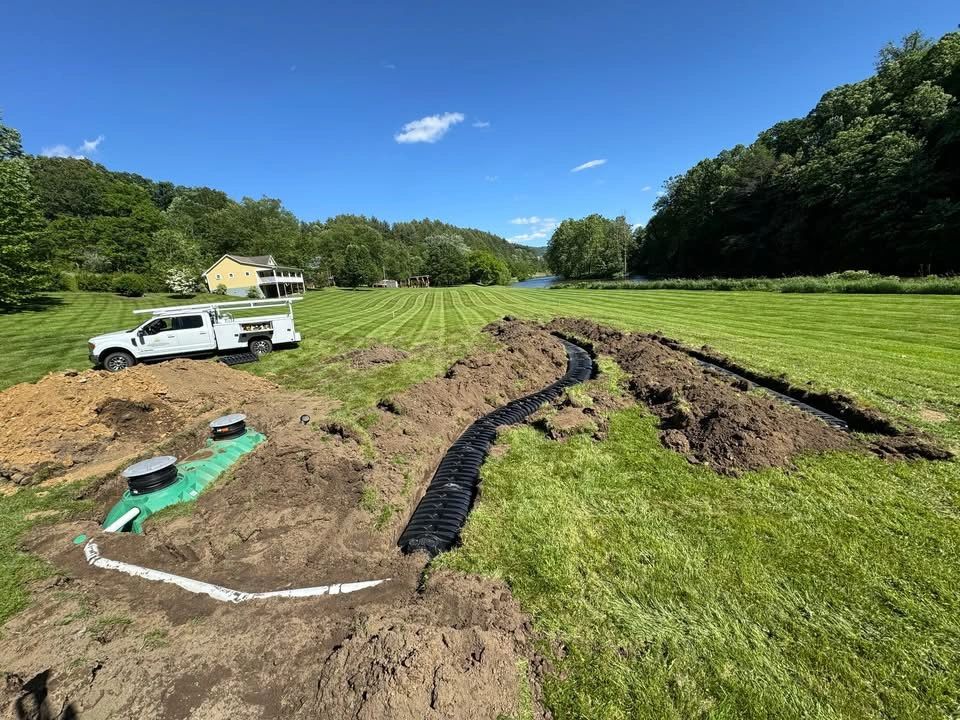
Before the first hard freeze, locate your tank lids, any risers, and the general area of the drainfield, and mark them in a way that will still be visible under snow, such as a stake or flag. If you do not have a record of where the tank and lines sit, fall is the time to find out. Check whether your tank is due for pumping. Many households follow a pumping interval of a few years, and a tank that is already near capacity has less margin when cold, wet weather slows absorption in the drainfield. Our septic tank maintenance schedule guide covers what affects that interval.
Protect the ground above the system
A healthy layer of grass or mulch over the tank and drainfield works like a blanket, holding in ground heat and slowing deep frost. Bare, compacted soil freezes faster and deeper. Let fall grass grow a little longer over the system rather than scalping it, and keep vehicles, equipment, and snow plows off the area. Compaction harms the soil's ability to absorb water, and packed snow can drive frost deeper than loose, fluffy snow. Avoid planting trees or large shrubs near the system, since roots can find their way into lines.
Fix leaks and keep the system in regular use
A running toilet or dripping faucet sends a steady trickle of extra water to the tank and drainfield, which matters most when the soil is cold and saturated. Repair leaky fixtures now. If you own a seasonal cabin or second home that will sit empty for weeks at a time, ask a qualified professional about the best way to prepare the plumbing and system for low use, because a system that sees little or no flow can be more prone to freezing in exposed areas.
Get drainage moving before leaves and ice arrive
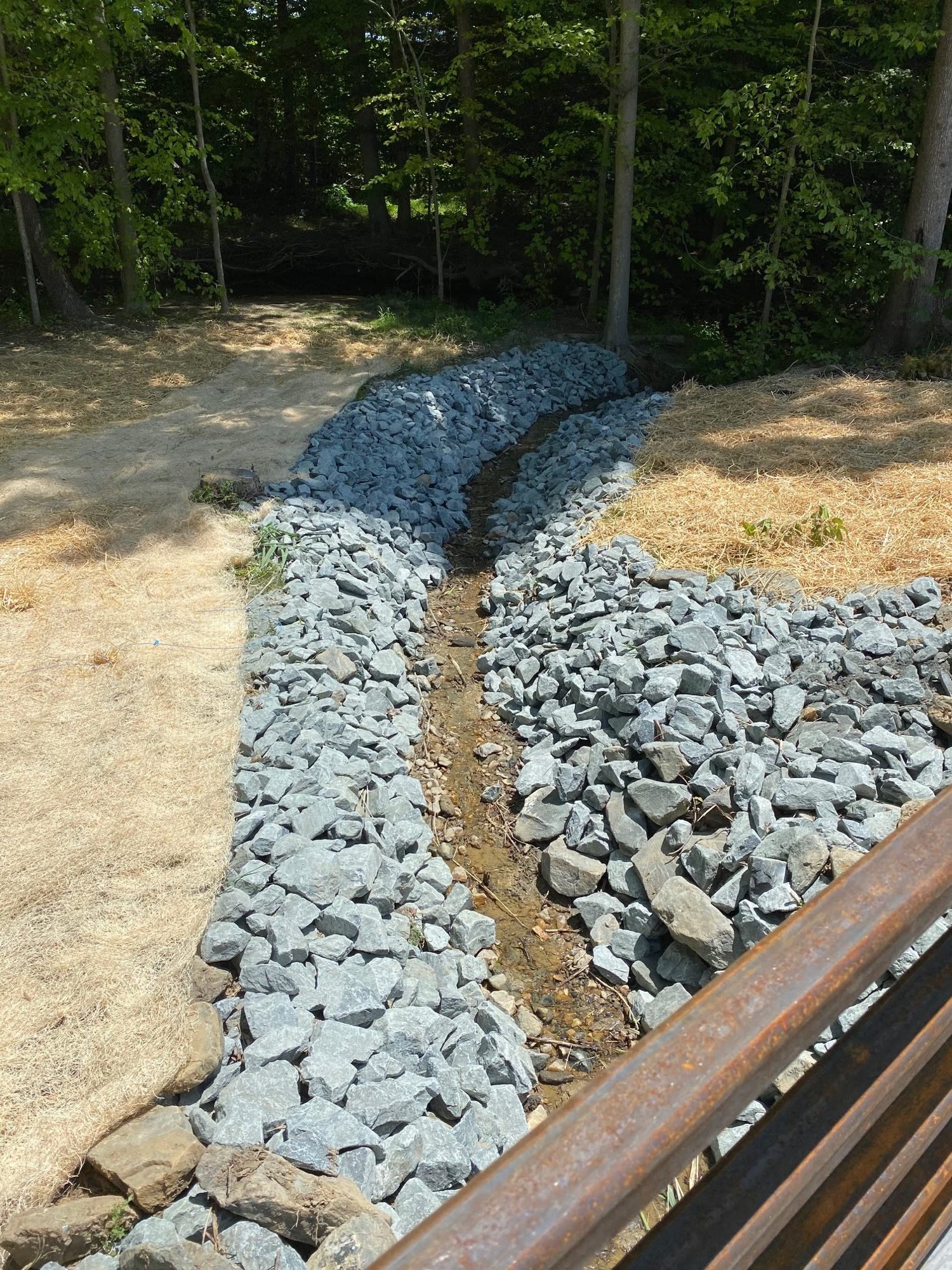
Water management is the other half of winter prep. Clean leaves out of gutters and downspouts, and make sure downspouts discharge well away from the foundation. Clear the outlets of any French drains, swales, or culverts so meltwater has somewhere to go, and fill low spots near the house, driveway, or walkways where water collects. Standing water that freezes and thaws over and over can heave pavers, crack concrete, and push moisture toward the foundation. For a deeper look at how grading and drains work together, see our yard drainage and water problems guide.
Know the warning signs and who to call
Slow drains, gurgling pipes, sewage odors, or unusually soggy or lush patches over the drainfield are signs that something needs attention, and they are easier to diagnose before the ground is frozen solid. In North Carolina, septic installation and repair work generally goes through the county health department and a licensed installer, so contact them early if you suspect a problem rather than waiting for spring. Riverfront Group is a licensed general contractor and septic installer serving Ashe, Alleghany, Avery, Watauga, and Wilkes counties, and we are glad to talk through what you are seeing at your property.
Want a second set of eyes before winter?
Call Adam to talk through your septic system or drainage concerns while the ground is still workable.