
Septic Tank Maintenance Schedule for NC Homeowners
How often to pump your tank, the warning signs to watch for, and a simple schedule that keeps a septic system out of trouble.
The Cheapest Septic Repair Is a Skipped Repair
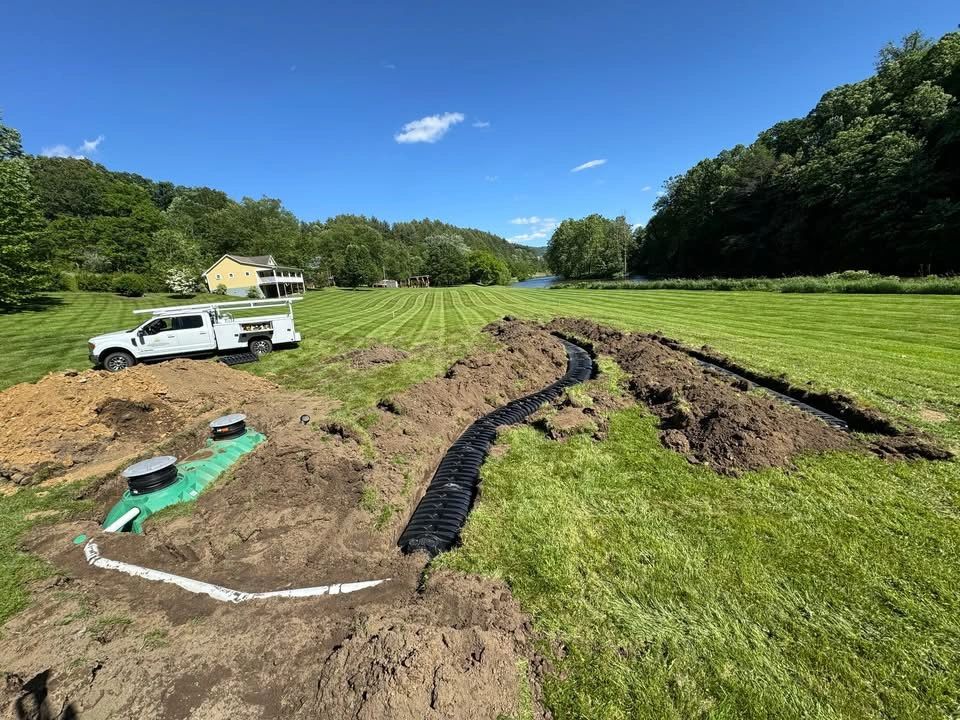
A septic system is easy to ignore because it works quietly underground for years — until it doesn't. Regular pumping and a few basic habits are far less expensive than replacing a drainfield, and most of the "emergency" septic calls we get trace back to a system that simply went too long between pumpings.
How often should a septic tank be pumped?
For most homes, every three to five years is a reasonable baseline. Where your household falls in that range depends on three things: how many people live in the house, how big the tank is, and how much wastewater the household generates day to day. A smaller tank serving a larger family will need pumping more often than a large tank serving one or two people.
What actually affects the interval
- Household size. More people means more solids entering the tank, which shortens the safe interval between pumpings.
- Garbage disposal use. Disposals add solid waste directly to the tank and can meaningfully speed up how fast it fills.
- Water usage habits. Frequent laundry loads, long showers, and hot tubs all add volume that the system has to process.
- Tank size relative to the house. An older or undersized tank on a home that's been added onto or seen more occupants over the years may need more frequent attention than its original design intended.
Warning signs it's time to call, not wait
Don't wait for the calendar if you notice any of these:
- Slow-draining sinks, tubs, or toilets that don't improve after clearing an obvious clog
- Gurgling sounds in the plumbing when nothing is running
- Sewage odors indoors, near the tank lid, or around the drainfield
- Unusually lush, green, or soggy patches of grass over the tank or drainfield — especially in dry weather
- Sewage backing up into the lowest drains in the house
Any one of these can indicate a tank that's full, a blocked line, or a drainfield under stress. Waiting on symptoms like this is one of the most common ways a simple pump-out turns into a drainfield repair or full system replacement.
Why the High Country adds a wrinkle
In Ashe, Alleghany, Avery, Watauga, and Wilkes counties, many properties sit on sloped lots with rocky or clay-heavy soil, and a fair number of homes are used seasonally as second residences or short-term rentals with irregular occupancy. Seasonal spikes in usage — a full house over a holiday weekend, for instance — can push a tank that was fine in the off-season closer to capacity faster than a full-time single-family home on flat, well-drained soil. If your property fits that pattern, it's worth erring toward the shorter end of the three-to-five-year range.
A simple maintenance habit that helps between pumpings
Beyond scheduled pumping, a few habits go a long way: avoid flushing wipes, grease, or non-biodegradable items; space out heavy water use across the week rather than running everything back-to-back; and keep vehicles, sheds, and heavy equipment off the drainfield area so the soil there isn't compacted. None of this replaces regular pumping, but it reduces the load on the system between visits.
Riverfront Group has serviced and installed septic systems throughout the High Country since 2019. If it's been a few years since your last pump-out, or you're seeing any of the warning signs above, learn more about our septic services, see what a new installation typically costs on our septic installation cost guide, or reach out below to schedule a visit.

Not sure when your tank was last pumped?
Call Adam for a straightforward assessment of your system and a maintenance schedule that fits your household.