
Gravel Driveway Care Through a High Country Winter: Drainage, Ruts, and Erosion
Mountain driveways take a beating from rain, freeze-thaw cycles, and plows. A little fall preparation can prevent most ruts, washouts, and spring repair work.
Most Driveway Damage Is Water Damage
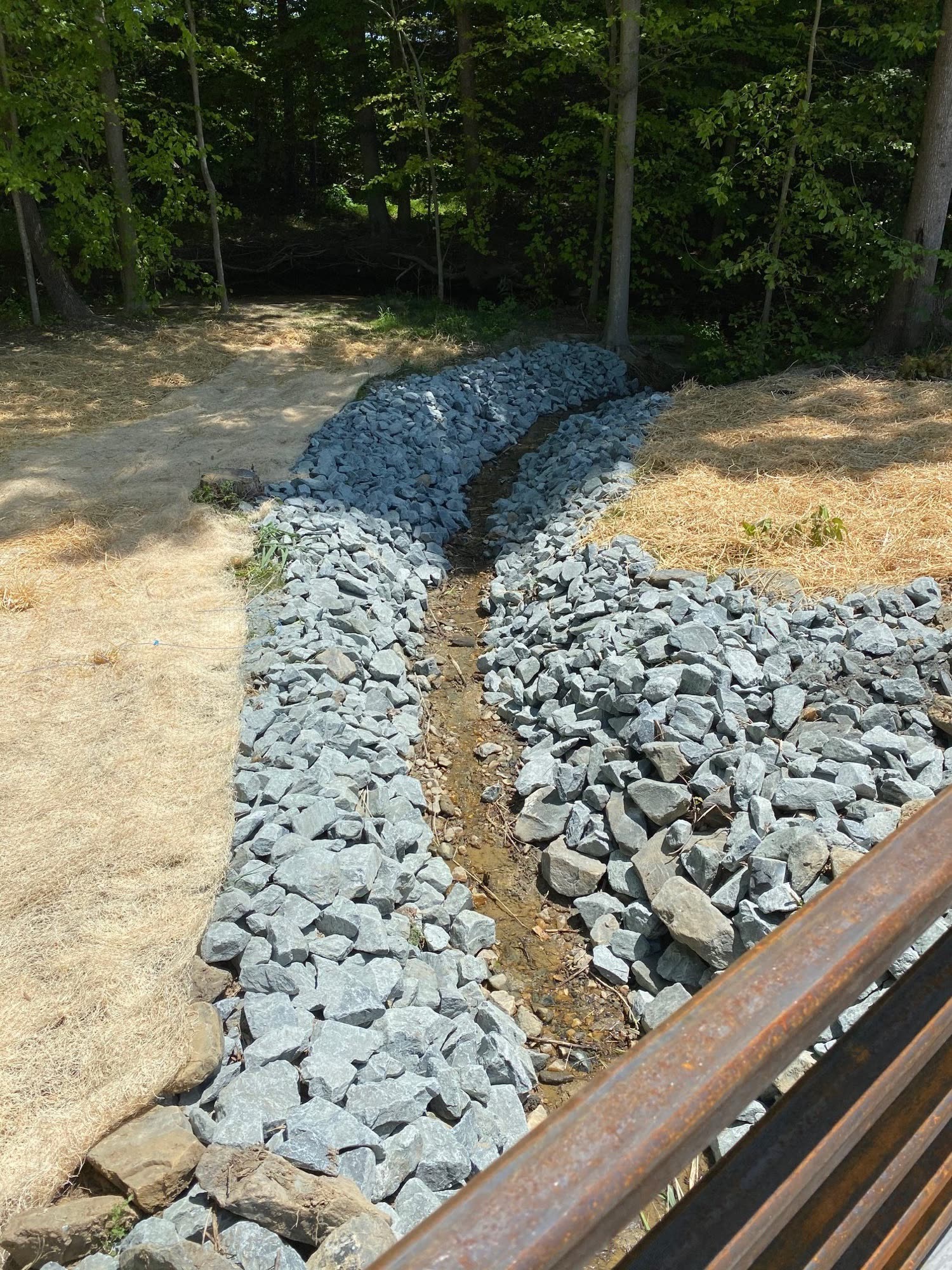
On steep ground, water behaves like a river. If it runs down the driveway instead of off it, it carries fines and gravel with it and leaves ruts behind. Freezing and thawing then loosen the surface and make every rut deeper. Getting water off the driveway early is usually the most effective thing you can do.
Walk the driveway after a heavy rain
The best way to find drainage problems is to see where water actually goes. Walk the driveway during or just after a hard rain and notice where it runs along the surface, where it pools, where it cuts channels, and where it crosses. Note any spots where ditches overflow or where water spills over a bank. Take photos so you can compare later and plan repairs before the ground freezes.
Crown, cross slope, and diversions
A well-built driveway is shaped to shed water, typically with a slight crown in the middle or a cross slope to one side so water drains off instead of running down the middle. On steeper sections, water diversions, such as angled drains or shallow cross ditches, can interrupt runoff before it picks up speed. If your surface has dished out in the middle, regrading and adding gravel can restore the shape. Our driveway installation and grading guide goes into more detail on how mountain driveways are built.
Ditches and culverts
Ditches should be clear and sloped so water keeps moving. Culverts carry that water under the driveway, but they can fill with leaves, gravel, and silt. Clear the inlet and outlet in late fall and after heavy rains, and watch for erosion or undercutting at the outlet. A blocked or undersized culvert can send water across the driveway, which is a common cause of washouts. If water repeatedly overflows the same spot, it may be time to evaluate whether the culvert or ditch needs to be resized or reworked.
Plowing and snow clearing
Plow blades can scrape gravel off the driveway and push it into ditches and the edge of the road. If possible, raise the blade slightly so it rides above the gravel, and avoid pushing snow into culvert inlets. Mark the driveway edges before the first snow with stakes or reflectors so you and anyone plowing can see where the surface ends. Keep vehicles and plows off any septic tank or drainfield area, which is explained in our winter septic and drainage prep checklist.
Spring cleanup and erosion
Snowmelt and spring rain are when winter damage often shows up. Look for new ruts, washouts, soft spots, and bare soil beside the driveway, and fix them before the next storm. Bare banks can be stabilized with stone or vegetation to slow erosion. For wider water issues around your property, our yard drainage guide explains how grading and drains work together.
When to call a professional
Small ruts can often be fixed with a rake and fresh gravel, but repeated washouts, steep sections, failing culverts, or erosion that threatens a bank or foundation usually need regrading and drainage work. Riverfront Group is a licensed general contractor serving Ashe, Alleghany, Avery, Watauga, and Wilkes counties, and we can help you figure out whether the fix is maintenance or a rebuild.
Driveway washing out every time it rains?
Call Adam to talk through what you are seeing and the right place to start.