
Crawl Space Moisture and Humidity Guide for NC Mountain Homes
Why crawl spaces get damp in the High Country, the warning signs to watch for, and how drainage, vapor barriers, and ventilation work together.
Start With Where the Water Is Coming From
A damp crawl space rarely has just one cause. Water can arrive as runoff from the yard, drip from a gutter, seep up through bare soil, or ride in on humid summer air. Fixing the symptom, such as laying plastic or running a dehumidifier, without finding the source usually means the problem comes back. On a sloped mountain lot, it pays to look outside the foundation first.
Why mountain homes are prone to damp crawl spaces
Water naturally runs downhill, and on a sloped lot that often means toward the uphill wall of the house. Add frequent rain, snowmelt, and humid summers, and a crawl space can stay damp for months at a time. Older homes built before modern grading and drainage practices are especially likely to have soil that slopes toward the foundation, downspouts that discharge right at the wall, or no way for groundwater to drain away.
Warning signs worth taking seriously
A musty smell in the house is often the first clue, since air from the crawl space moves up into living areas. Other signs include visible mold or mildew on framing, insulation that is sagging, damp, or falling down, standing water or wet soil after heavy rain, rust on ductwork or fasteners, and floors that feel cool, soft, or springy. A low-cost humidity monitor placed in the crawl space can show whether moisture stays high over time. Many building-science sources suggest aiming to keep relative humidity below roughly 60 percent, though the right target depends on your home and conditions.
Fix exterior water first
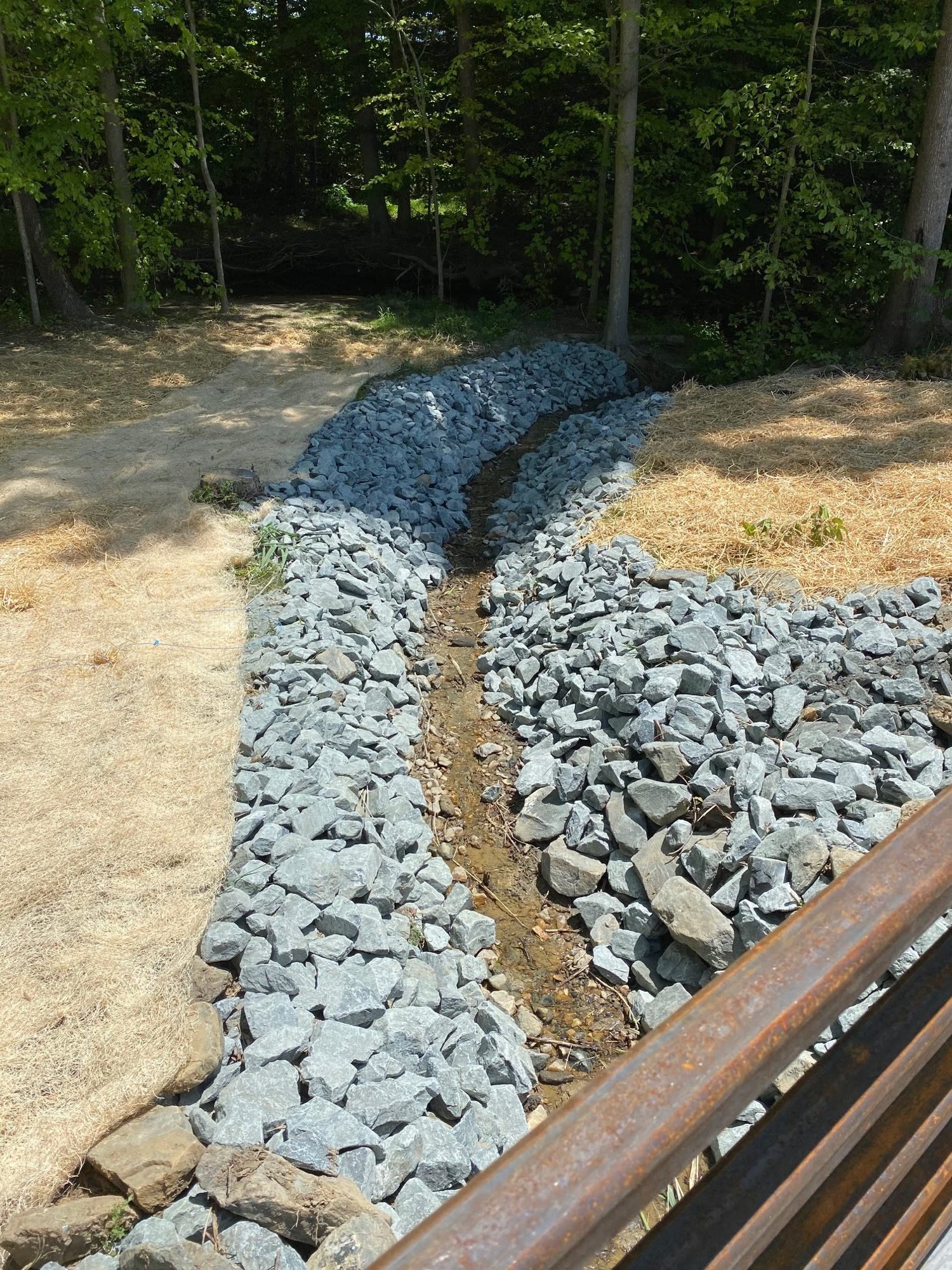
The least expensive fixes are usually outside. Make sure gutters are clear and downspouts discharge well away from the foundation, and check that the soil near the house slopes away rather than toward it. Low spots next to the foundation should be filled and re-graded. If water still collects, a French drain or similar drainage system can intercept groundwater and carry it to a safe discharge point. Our yard drainage and water problems guide explains how grading and drains work together, and our basement waterproofing guide covers interior and exterior approaches that also apply to crawl spaces.
Vapor barriers, vents, and dehumidifiers
Once outside water is under control, moisture from the ground and the air is the next target. A heavy plastic vapor barrier over the dirt floor, sealed at the seams and edges, reduces the amount of moisture rising from the soil, but it does not stop liquid water. Traditional crawl spaces rely on foundation vents for airflow, while many builders and building-science sources now favor sealed crawl spaces, with a vapor barrier on the floor and walls and some form of humidity control, in humid climates. Which approach is right depends on your house, local code requirements, and where the moisture is coming from, so it is worth having a professional look at the space before sealing or opening vents.
Protect the structure and insulation
Chronic crawl space moisture can lead to wood rot, mold growth, corroded metal, and pest problems, and it can reduce the effectiveness of insulation. If you see soft or discolored framing, standing water, or widespread mold, it is best to get an evaluation instead of treating it as a DIY project. Riverfront Group is a licensed general contractor serving Ashe, Alleghany, Avery, Watauga, and Wilkes counties, and we can help you sort out whether the fix is drainage, grading, foundation work, or a combination.
Smelling mustiness or seeing dampness under your home?
Call Adam to talk through what you are seeing and the right place to start.