Licensed Septic Installer NC: What to Look For
What to check, what the process involves, and how to avoid costly delays when hiring a septic contractor.
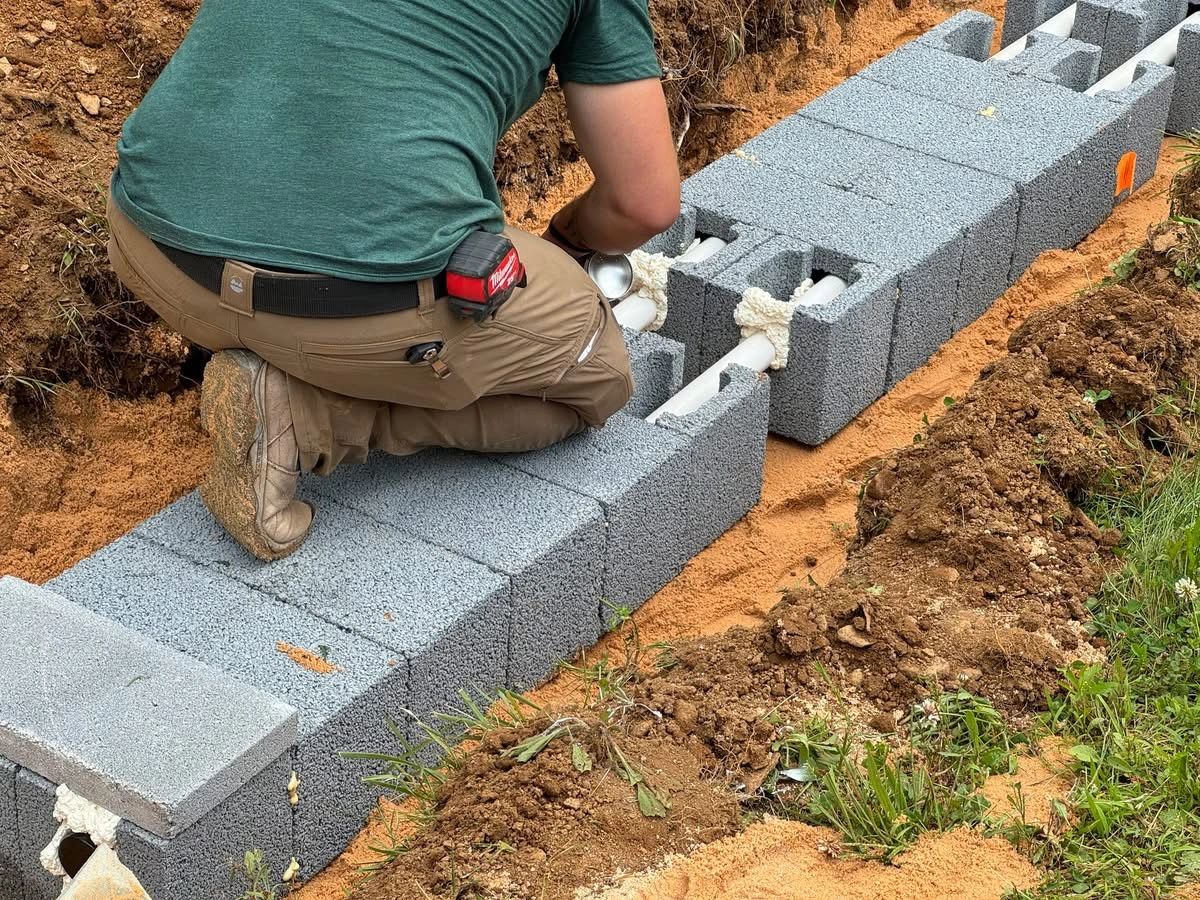
See Our Septic Installation Work
Septic work isn't like most home improvement projects — in North Carolina, it's a state-regulated trade with its own certification board, and hiring an uncertified installer can cost you far more than you save.
Certification is required by law, no exceptions
Since 2008, North Carolina has required anyone who constructs, installs, or repairs an on-site wastewater (septic) system to hold an active certification through the North Carolina On-Site Wastewater Contractors and Inspectors Certification Board, or NCOWCICB (NC General Statutes Chapter 90A, Article 5). This certification is separate from — and in addition to — a general contractor license.
Understand the certification levels
NCOWCICB issues installer certifications in grade levels based on the complexity of system a contractor is qualified to install:
- Grade Level II: covers the large majority of normal residential systems — single and multiple tanks, pressurized systems, and gravity or fill systems up to 1,499 gallons per day.
- Grade Level IV: the highest level, covering everything Grade II does plus large-capacity systems (3,000+ GPD), drip dispersal, wastewater reuse, and advanced treatment systems. Reaching Grade IV requires at least two years of experience holding a Grade II certification first, plus additional coursework and an exam.
For most homeowner projects, a Grade II certification is sufficient — but if your lot needs an advanced or high-capacity system, make sure your installer holds Grade IV.
How to verify a certification before you hire
Don't just take a contractor's word for it. NCOWCICB maintains a public list of certified installers and inspectors by county, and you can ask any contractor for their certification number and grade level directly. A legitimate, currently-certified installer will have no problem sharing this information.
What a properly permitted install looks like
- A soil evaluation and Improvement Permit from your county health department before any design work.
- A Construction Authorization specifying the exact system type and grade level required.
- Installation performed by (or under direct supervision of) a certified installer at the matching grade level.
- A final inspection and Operations Permit before the system is covered and put into use.
Skipping any of these steps — or hiring someone without active certification — can result in a system that fails inspection, a title problem at resale, or a costly do-over.
Local, certified, and on every job site
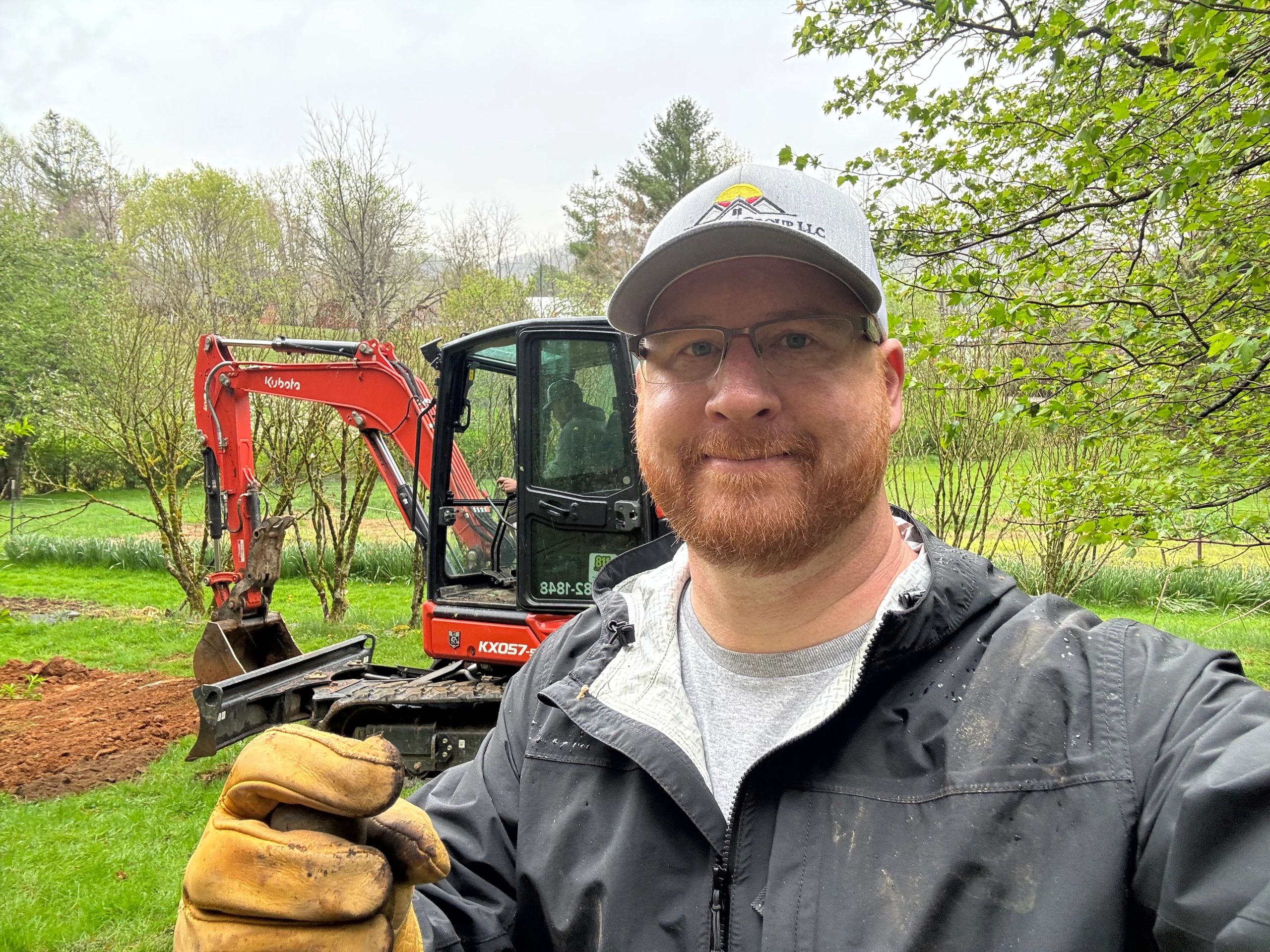
Adam Grabousky holds an active NC Waste Water / Septic Installer certification (#11181) in addition to his general contractor license, and Riverfront Group has installed and repaired septic systems throughout Ashe, Alleghany, Avery, Watauga, and Wilkes counties since 2019. See our septic services or contact us for a free, on-site evaluation.
Hire a certified, local installer
Adam holds active NC septic installer certification and handles permitting from start to finish. Call for a site evaluation.