Choosing a General Contractor for Rural Homes
What to look for, what rural projects require, and how to choose the right local contractor for High Country builds.
Built on Trust & Craftsmanship
Building on a rural mountain lot is a different job than building in a subdivision. Steep grades, well and septic requirements, longer utility runs, and limited road access all change how a project has to be planned. Here's what to check before you hire.
Confirm the license actually covers the job
In North Carolina, any project valued at $40,000 or more legally requires a licensed general contractor through the NC Licensing Board for General Contractors (NCLBGC). You can — and should — verify any contractor's license and limitation directly on the Board's public license search before signing anything. Even on smaller projects that fall under that threshold, a written contract, proof of insurance, and verifiable references still matter.
Ask about rural-specific experience
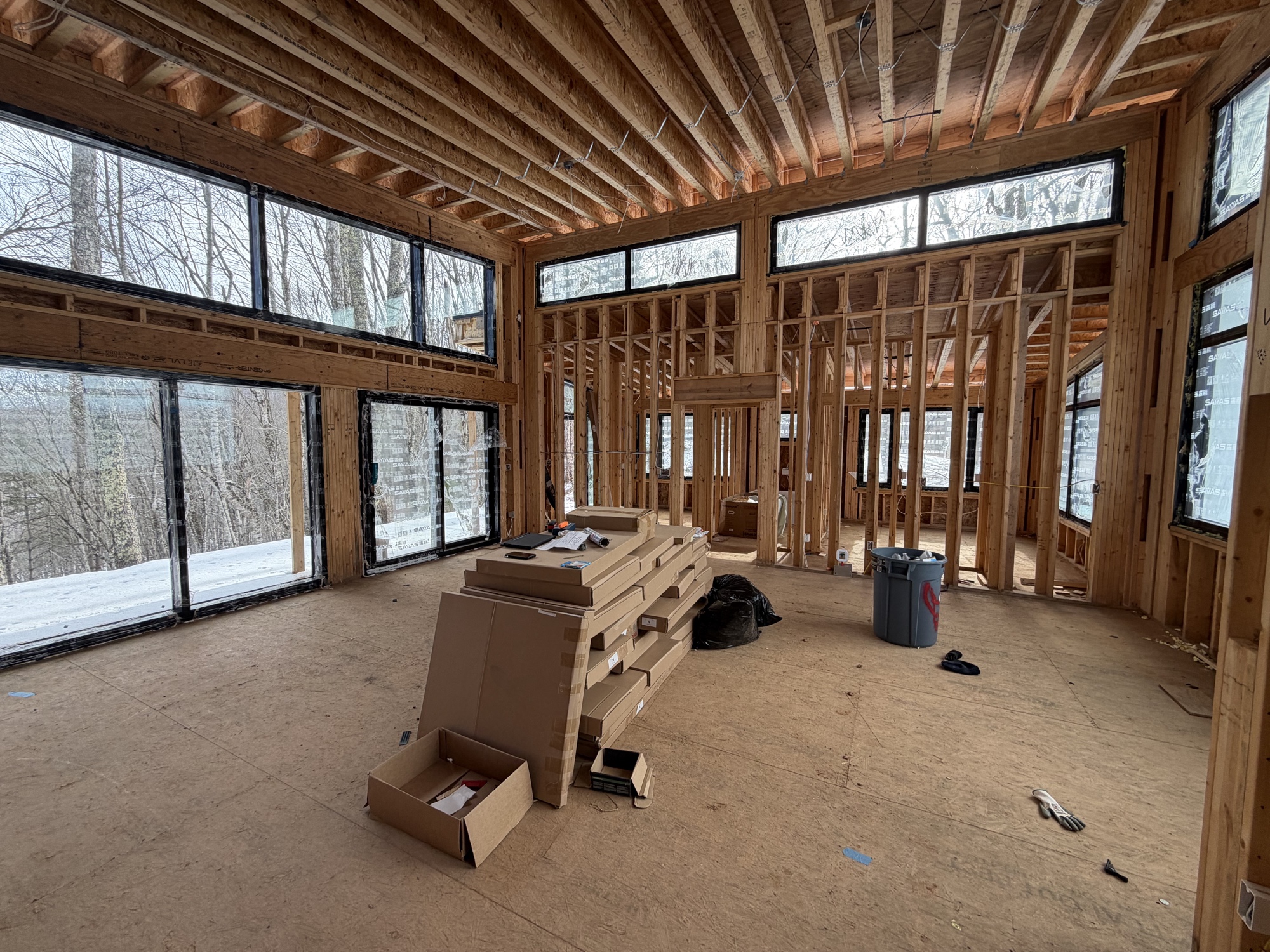
A contractor who mostly builds in town may not have hands-on experience with the things that make rural High Country projects different:
- Site work and excavation on steep or wooded lots, including grading and driveway access.
- Well and septic coordination — timing site evaluations, permits, and installation around the build schedule.
- Longer lead times for material delivery and equipment access on remote properties.
- Local permitting quirks specific to Ashe, Alleghany, Avery, Watauga, and Wilkes counties.
Ask directly: “How many rural or mountain lots have you built on in the last two years?” A contractor who does this work regularly will have a straightforward answer and be able to name specific challenges they've solved.
Watch for red flags
- Pressure to sign a contract or hand over a large deposit on the spot.
- No written contract, or a contract that skips scope, timeline, and payment schedule.
- Reluctance to provide a license number or local references you can actually call.
- A bid that's dramatically lower than everyone else's — on rural sites, that usually means something (soil work, permitting, hauling) has been left out.
Look for someone who's on-site, not just on the phone
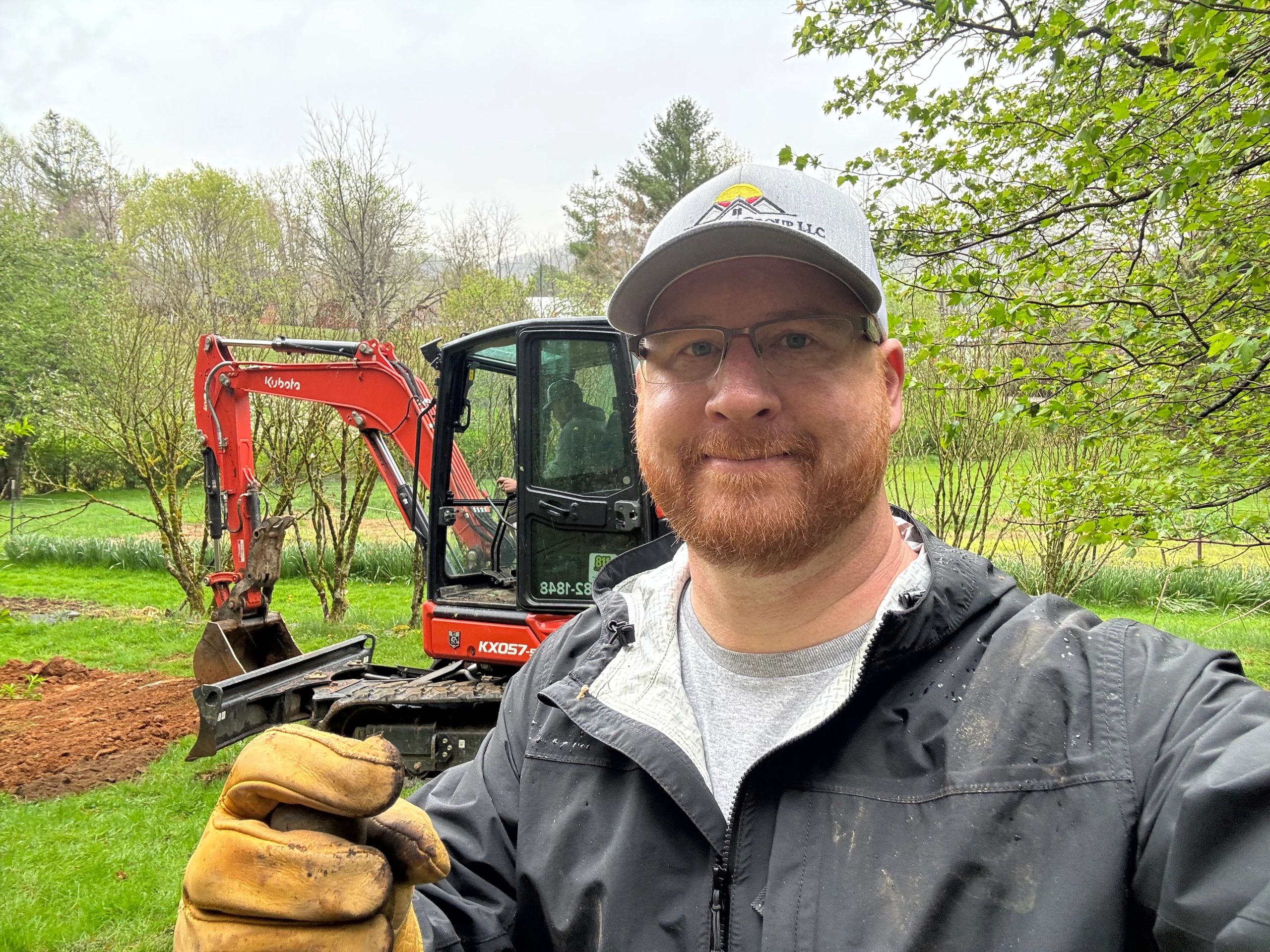
On a rural build, the person who answers the phone and the person running the job site should ideally be the same person, or work closely together every day. Owner-operated builders tend to catch site-specific problems — a rock ledge, a drainage issue, a tight turnaround for the septic crew — faster than a large company managing several jobs at once.
Riverfront Group is owner-operated, based in Jefferson, NC, and has built new homes, garages, and additions throughout the High Country since 2019. Adam is on-site for every project from the first excavator bucket to the final walkthrough. Explore our full range of construction services or get in touch for a project estimate.
Let's talk about your project
Adam is on every job site from start to finish. Call for an honest estimate on your rural build.